
We all have habits we’d like to change, from biting our nails to endless scrolling. At Life Skills Awareness, we believe that understanding the mechanism behind our actions is the first step toward empowerment. By applying the science of habit formation, you can gain the tools to reshape your daily life and foster lasting well-being.
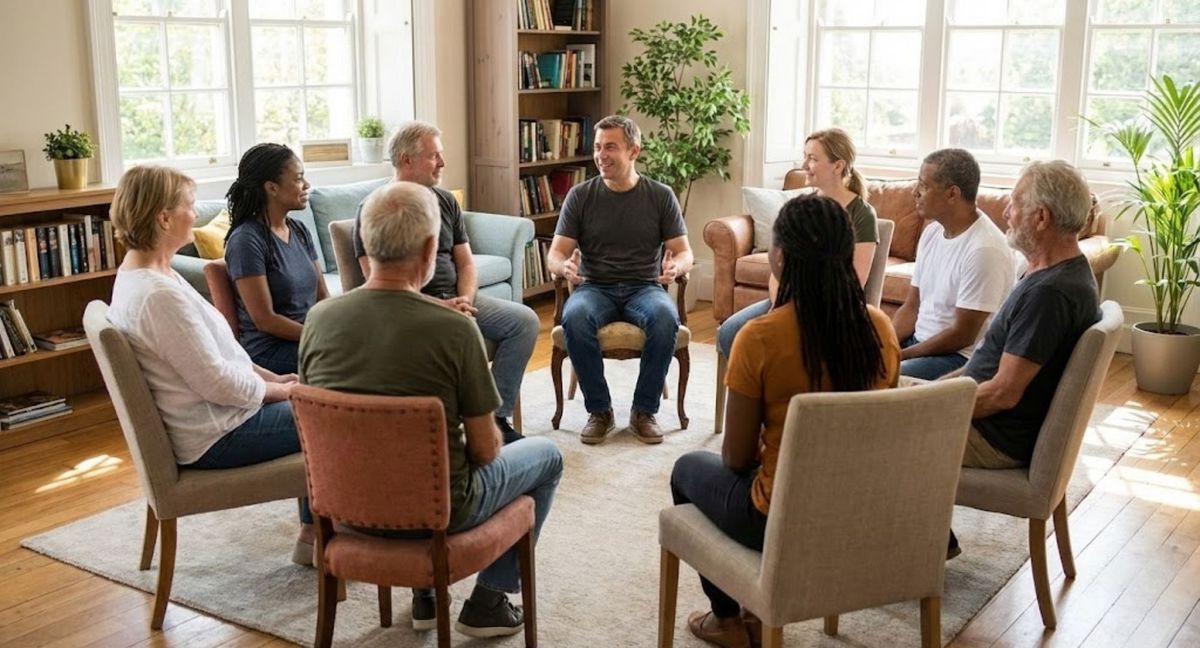
How to Break a Bad Habit (and Build a Good One): The Science of Change
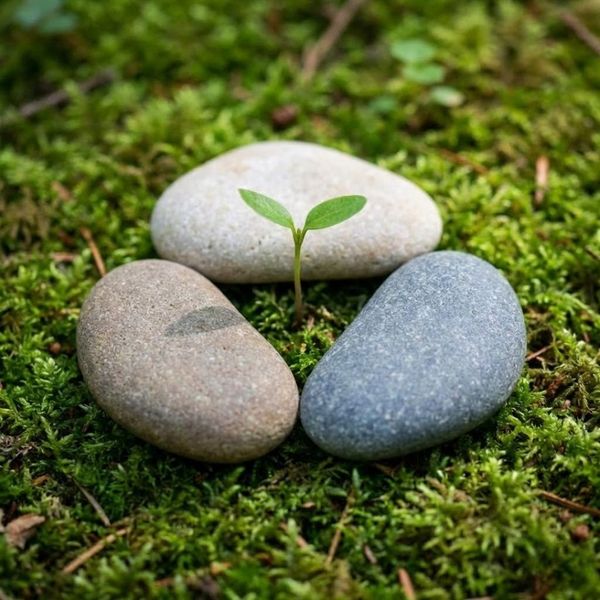
Understanding the Habit Loop
The first step to change is understanding the mechanism. Scientists call this the "habit loop." It starts with a cue or trigger, followed by the routine behavior, and finally, the reward your brain craves. Recognizing your personal triggers is a vital life skill and the foundation of our work with counseling Hesperia clients.

Identifying Your Triggers
To break a habit, you must first become a detective in your own life. What happens right before the unwanted behavior? Is it a specific time of day, an emotional state like boredom or stress, or certain people? As a therapist Hesperia residents trust, we help you identify these hidden patterns with clarity and compassion.

Replacing the Routine
Trying to simply eliminate a bad habit often leaves a void. Instead, the most effective strategy is to keep the old cue and reward but substitute a new, healthier routine. For instance, if stress triggers snacking, try a quick walk instead. This rewires your brain’s response over time, building a positive new pathway.
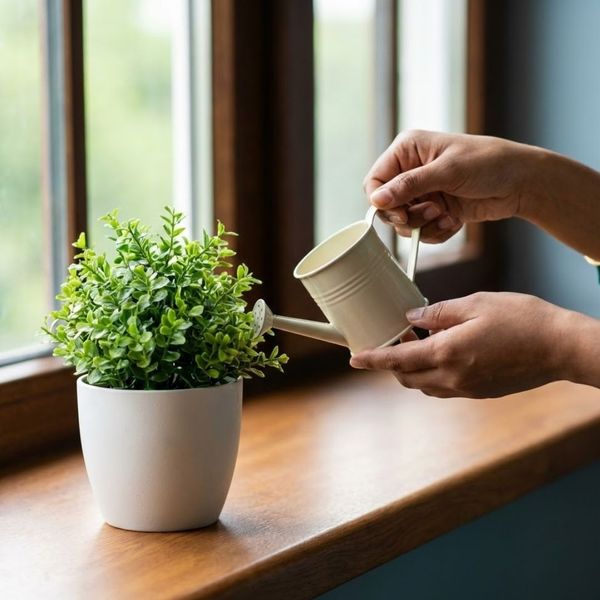
Cultivating Patience and Persistence
Building new neural pathways isn't an overnight process; it requires patience and self-compassion. Slip-ups are a normal part of the journey, not a sign of failure. Treat yourself with the same kindness you would offer a friend. Remember, lasting change is a marathon, not a sprint, and every small victory is worth celebrating.
Mastering your habits is one of the most powerful life skills you can develop. At Life Skills Awareness, we are dedicated to providing the guidance and support you need to make these changes stick. If you're ready to break free from old patterns, learn how Life Skills Awareness can help you on your journey.