
Childhood is a time of immense growth and discovery, but it can also present unique challenges that are difficult for young minds to process alone. Understanding and navigating these complexities often requires a specialized approach, and children's therapy offers a supportive pathway for young individuals and their families to thrive. At Life Skills Awareness, we believe in empowering every child to reach their full potential, providing the tools and understanding necessary to overcome obstacles and build resilience. This blog post delves into how therapy specifically aids in guiding children's developmental journey.
Understanding Children's Unique Worlds
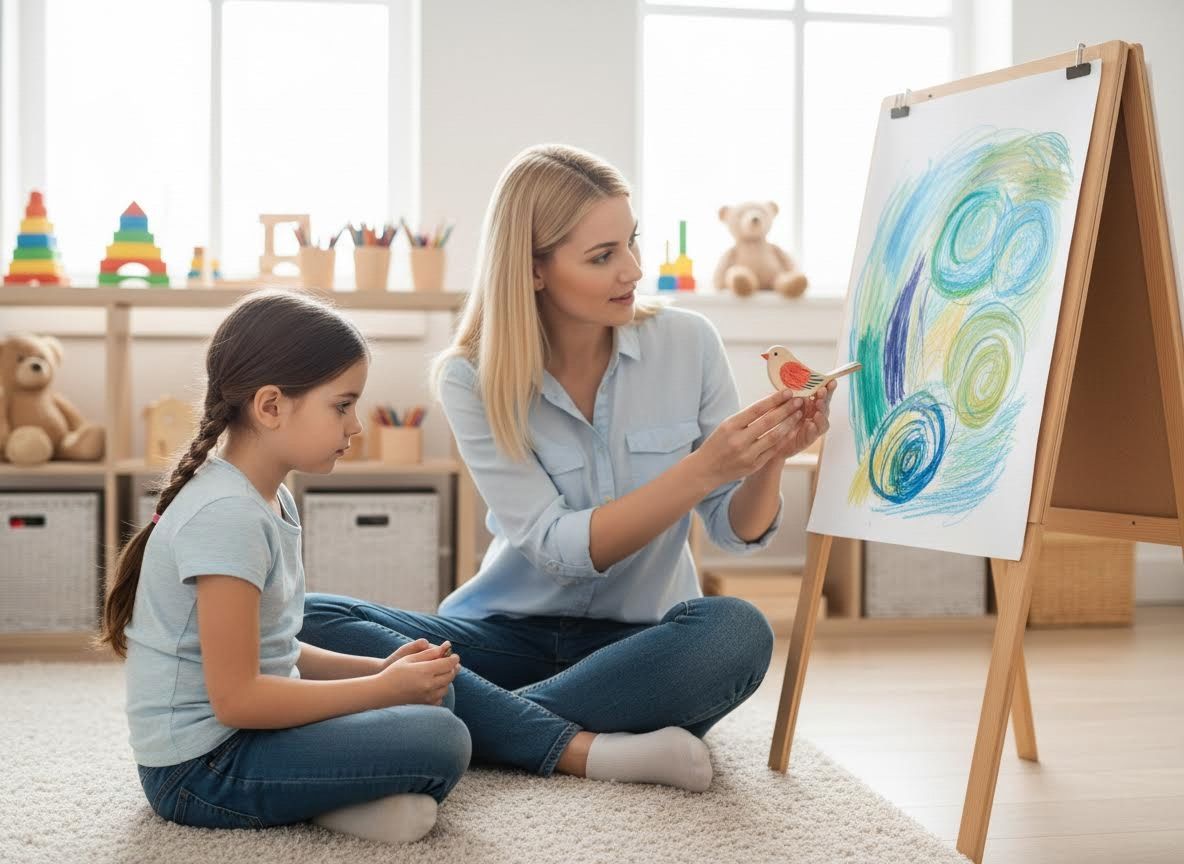
Children experience and express their emotions and difficulties differently than adults. A child struggling with anxiety might not articulate their feelings but instead show it through irritability, sleep issues, or withdrawal. Similarly, learning challenges or behavioral shifts can often be indicators of underlying emotional or developmental needs. Children's therapy provides a safe and understanding space where these subtle cues are recognized and addressed. Therapists are trained to interpret these unique expressions, helping children to articulate their feelings in age-appropriate ways, fostering a deeper understanding of their inner world.
Building Essential Life Skills and Coping Mechanisms
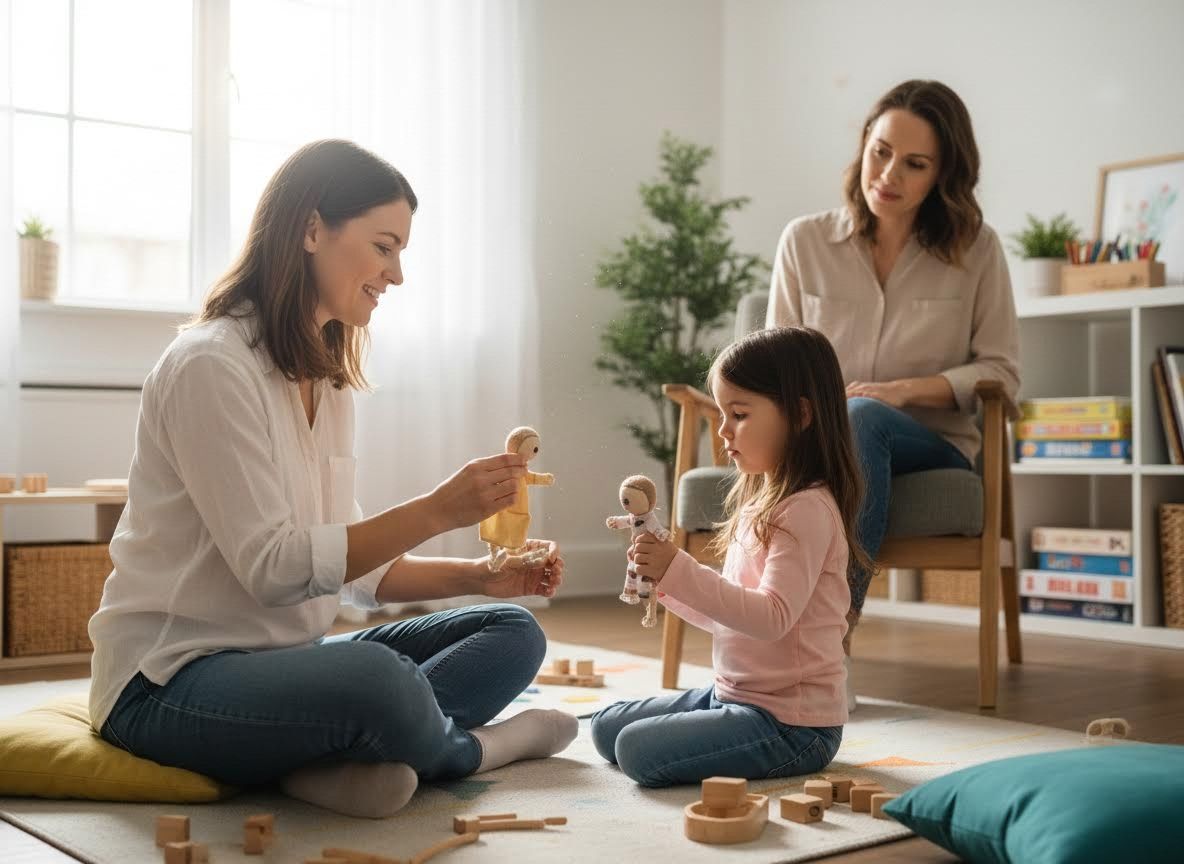
One of the primary benefits of children's therapy is the development of crucial life skills. Through various therapeutic approaches, children learn to identify and manage their emotions, develop effective communication strategies, improve social interactions, and build problem-solving abilities. Techniques such as play therapy allow children to process their experiences in a natural and engaging way, while cognitive-behavioral strategies can help them reframe negative thought patterns. These interventions are designed to be empowering, giving children a sense of agency and equipping them with practical tools to navigate life's ups and downs with greater confidence and adaptability.

Fostering a Nurturing Family Environment
Children's well-being is intrinsically linked to their family environment. Therapy often involves caregivers, providing them with guidance and strategies to support their child's progress at home. This collaborative approach ensures consistency and reinforces therapeutic gains in daily life. Parents and guardians learn to better understand their child's needs, improve communication within the family, and create a more supportive and responsive atmosphere. By working together, families can build stronger bonds, develop healthier dynamics, and collectively foster an environment where every member feels understood and valued.
Supporting Holistic Development for Lasting Impact
Children's therapy takes a holistic view of development, considering emotional, social, cognitive, and behavioral aspects. It's not just about addressing immediate issues but about building a strong foundation for long-term well-being. By intervening early and providing consistent support, therapy can prevent small challenges from escalating into larger problems, promoting healthier growth trajectories. This comprehensive support empowers children to develop a strong sense of self, resilience in the face of adversity, and the interpersonal skills needed to flourish in all areas of their lives, setting them up for a future filled with possibility.
Children's therapy is a powerful resource that offers compassionate support and practical strategies for navigating the complexities of growing up. By understanding their unique needs, building essential life skills, and fostering a nurturing family environment, therapy helps children develop the resilience and emotional intelligence required to thrive. If you're seeking to support a child's holistic development, consider exploring how dedicated therapeutic guidance can make a profound difference. To understand the various approaches and find a suitable therapist in Hesperia, we encourage you to explore the supportive resources available through Life Skills Awareness.