
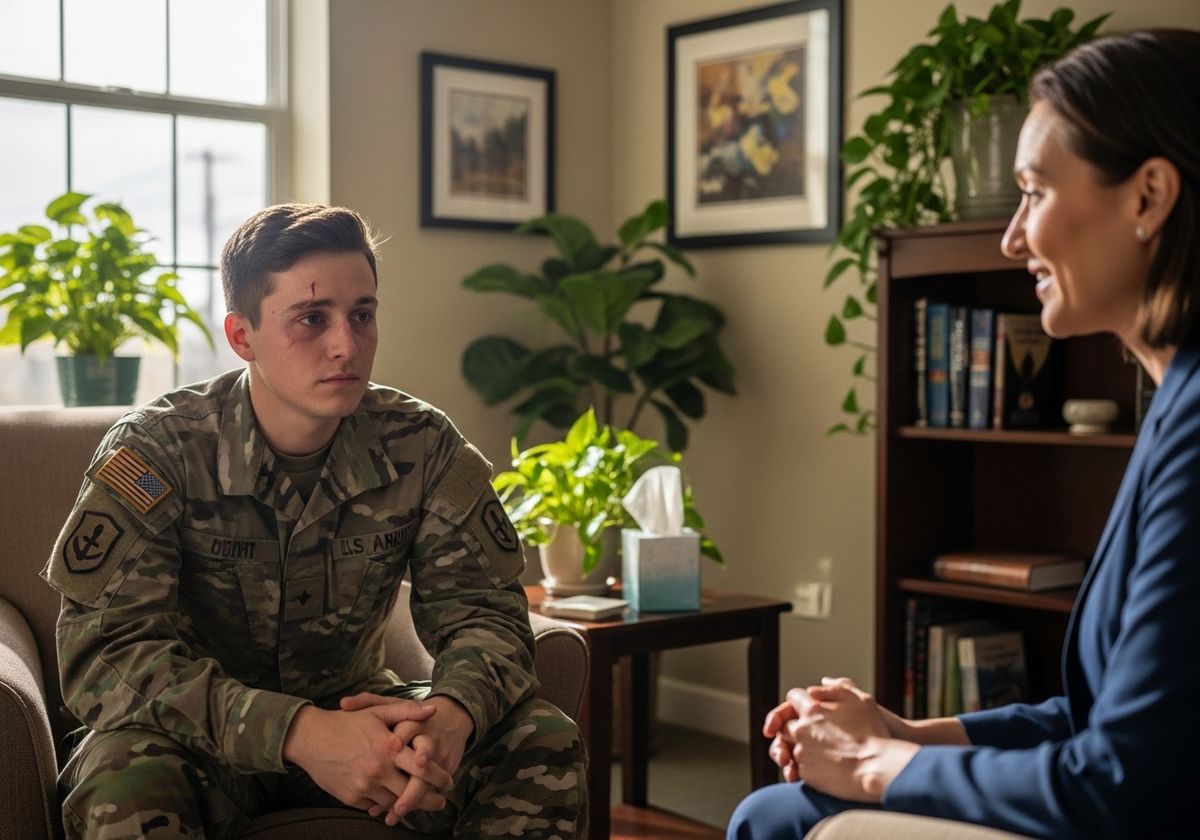
Embarking on a journey of service is a profound commitment, one that shapes character and demands resilience. However, the unique challenges faced by service members can also take a toll on mental well-being. Recognizing and addressing these challenges is a sign of strength, not weakness, and it's a crucial step toward maintaining overall health and wellness. Let's explore some of the ways service members can prioritize their mental health and build a foundation for a balanced life.
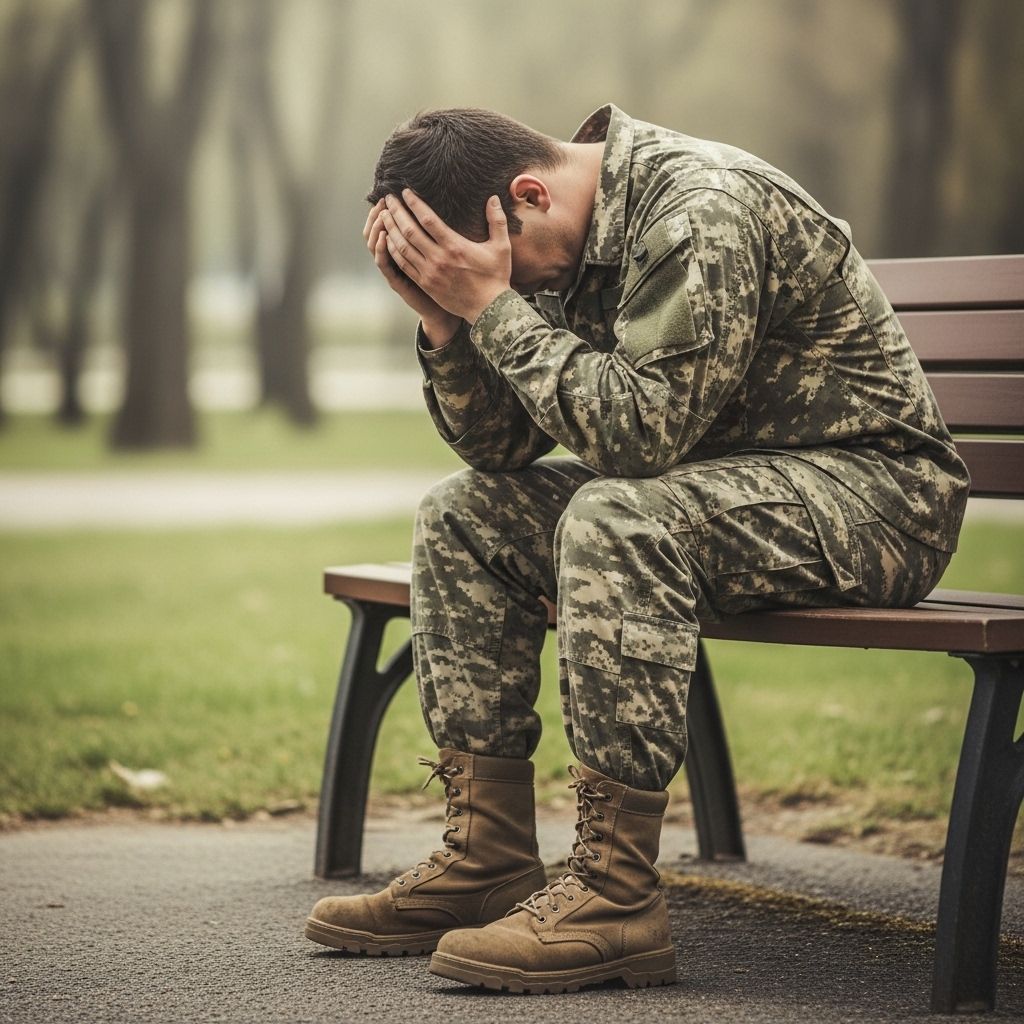
Understanding the Unique Challenges
Service members often encounter situations that are far removed from civilian life. These experiences can lead to a range of mental health concerns, including:
Post-Traumatic Stress Disorder (PTSD): Exposure to traumatic events can leave lasting scars, leading to anxiety, flashbacks, and difficulty coping.
Depression: The stress of deployment, separation from loved ones, and the challenges of reintegration can contribute to feelings of sadness, hopelessness, and isolation.
Anxiety: Constant vigilance, uncertainty, and the pressure to perform can trigger anxiety disorders.
Substance Abuse: Some service members may turn to alcohol or drugs as a way to cope with stress or trauma.
Relationship Issues: The demands of military life can strain relationships with partners, family, and friends.
Strategies for Mental Wellness
There are many proactive steps that service members can take to safeguard their mental health:
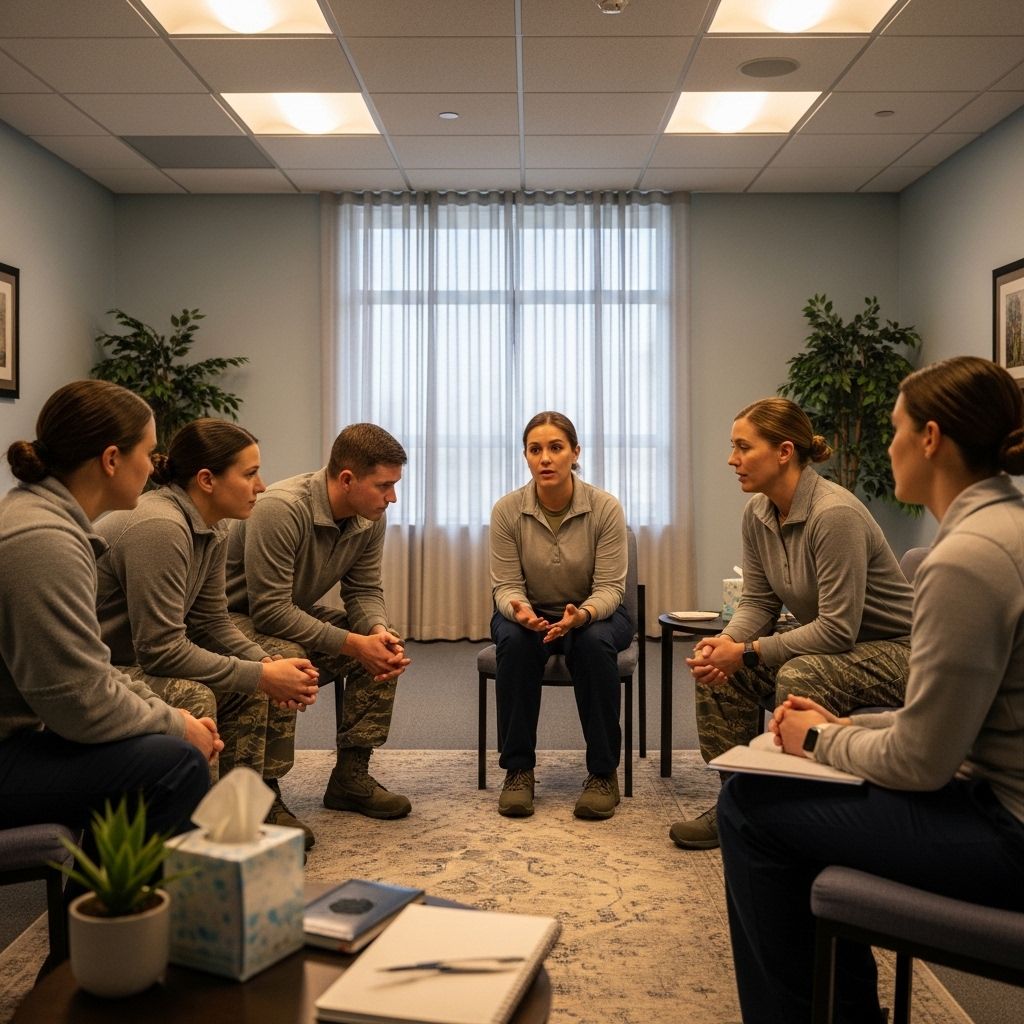
Seek Professional Support: Mental health services, such as individual therapy, couples therapy, and group therapy, offer a safe and confidential space to process experiences, develop coping mechanisms, and build resilience. Don't hesitate to reach out to a qualified therapist or counselor.
Build a Strong Support System: Connect with fellow service members, family, and friends who understand what you're going through. Sharing your experiences and feelings can provide comfort and reduce feelings of isolation.
Practice Self-Care: Prioritize activities that promote relaxation and well-being, such as exercise, meditation, mindfulness, spending time in nature, or pursuing hobbies.
Develop Healthy Coping Mechanisms: Learn healthy ways to manage stress, such as deep breathing exercises, progressive muscle relaxation, or journaling.
Stay Physically Active: Regular exercise has been shown to have a positive impact on mental health, reducing symptoms of anxiety and depression.
Maintain a Balanced Diet: Nourishing your body with healthy foods can improve your mood and energy levels.
Limit Alcohol and Drug Use: Substance abuse can exacerbate mental health problems. If you're struggling with substance use, seek professional help.
Practice Mindfulness: Pay attention to the present moment without judgment. Mindfulness can help reduce stress and improve focus.
Breaking Down Barriers to Access
It's essential to create a culture where seeking mental health support is encouraged and destigmatized. Service members should be aware of the resources available to them, including:
Military Mental Health Services: The military offers a range of mental health services, including counseling, therapy, and support groups.
Veterans Affairs (VA): The VA provides mental health care to eligible veterans.
Confidential Resources: There are confidential resources available, such as the Military Crisis Line, that offer immediate support and guidance.
Remember, prioritizing your mental health is not a sign of weakness, but a sign of strength and self-awareness. By taking proactive steps to care for your mental well-being, you can navigate challenges, build resilience, and thrive in all aspects of your life. Life Skills Awareness is dedicated to providing accessible mental health services to everyone, regardless of background. We believe in empowering individuals to navigate life's challenges, build resilience, and discover their inner strength. If you or someone you know is struggling, we encourage you to reach out for help. Explore our website to learn more about our holistic approach to mental wellness, or contact us today to schedule a consultation.